
GREEK FAVA
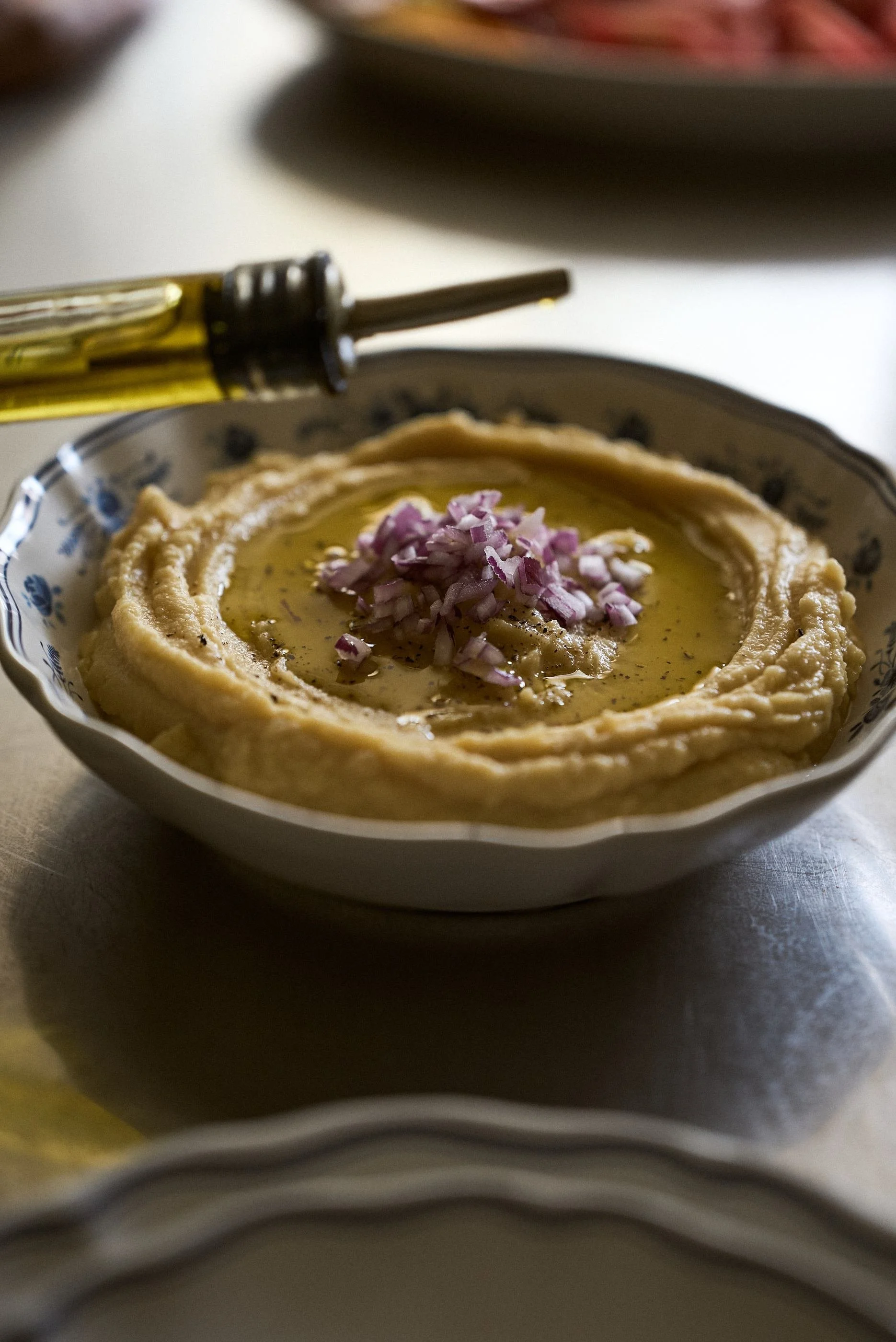
GREEK FAVA
Here’s an interesting fact: Greek fava is not actually made from fava (broad) beans. It's a silky puree of yellow split peas, slowly cooked with onion until it falls apart, then blitzed with lemon. On Santorini it's made from a local variety of split pea, and yellow split peas are the easy stand-in anywhere else where you can’t find the real thing. This is another fabulously simple Greek dish I learned during my cooking session with Ana and Sophia while I was in Mykonos. It's one of the easiest recipes you’ll ever make: just peas, red onion, lemon, olive oil, salt and pepper. A little blitzing with a stick blender, and you can call it a day.
What to serve it with
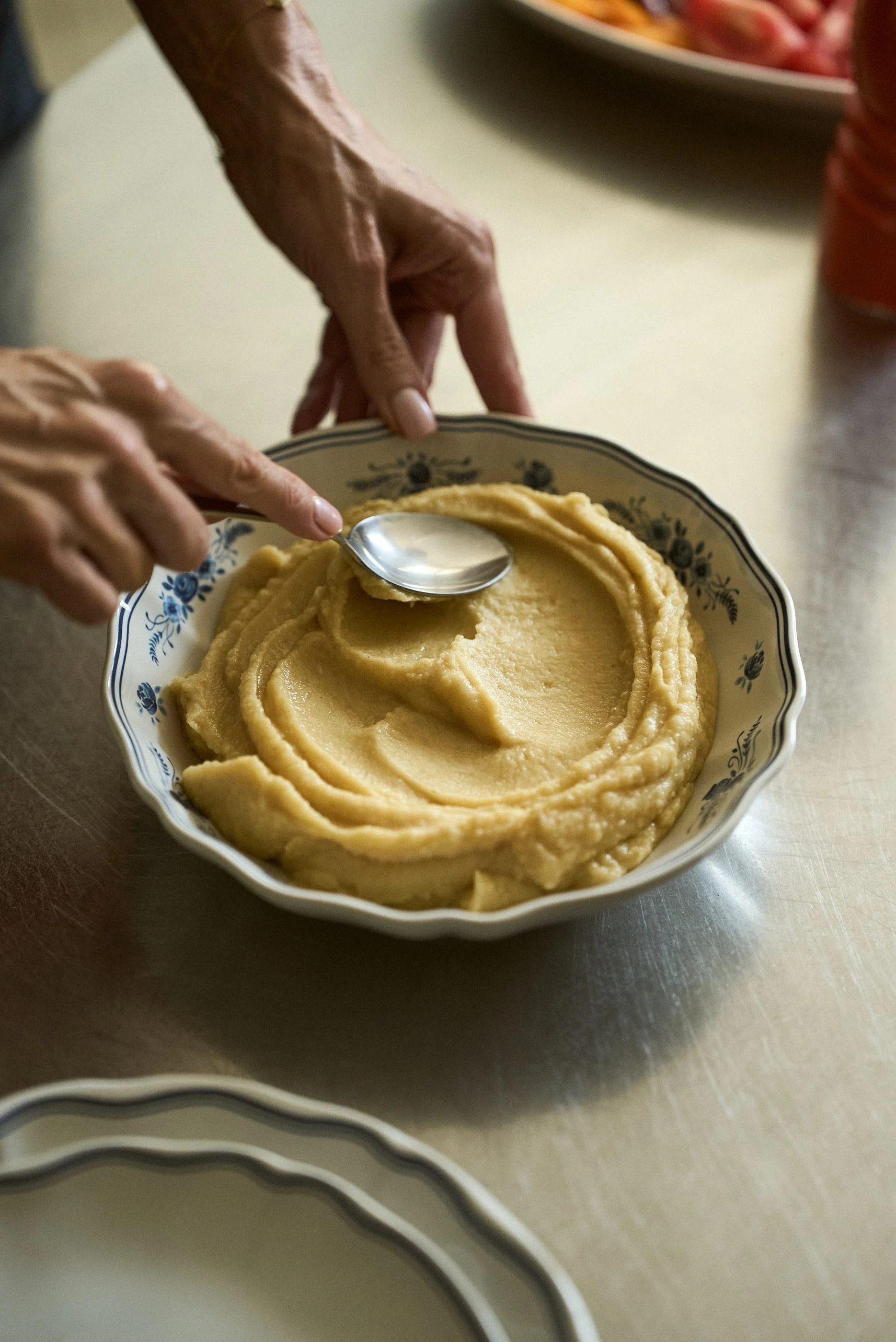
Fava is a classic meze, traditionally scooped up with crusty bread or warm pita. It's also served alongside olives, capers and pickled vegetables, and it's a natural partner for fried or grilled seafood such as calamari, octopus and small fried fish, which makes it perfect on a Greek table. Fava thickens as it cools, so if you make it ahead, loosen it with a splash of warm water before serving.
*You can find more inspiration from my Ultimate Greek Feast here.
GREEK FAVA
Servings: 4 to 6
Fava keeps for approximately 4 days in an airtight container in the fridge. Store it plain, without the red onion topping and olive oil, which are best added fresh when you serve
INGREDIENTS
- 300 grams yellow split peas (fava), rinsed (about 1½ cups)
- 1 large red onion, roughly chopped, for cooking (about 1 cup)
- 1.2 liters water (about 5 cups), plus a little more if needed
- 2 tablespoons freshly squeezed lemon juice (from about 1 lemon)
- 1 teaspoons salt, plus more to taste
- fresh black pepper to taste
- 1 small red onion, finely chopped, for topping (about ¼ cup)
- 3 tablespoons extra virgin olive oil, to serve
INSTRUCTIONS
Rinse the split peas under cold running water until the water runs mostly clear, then drain.
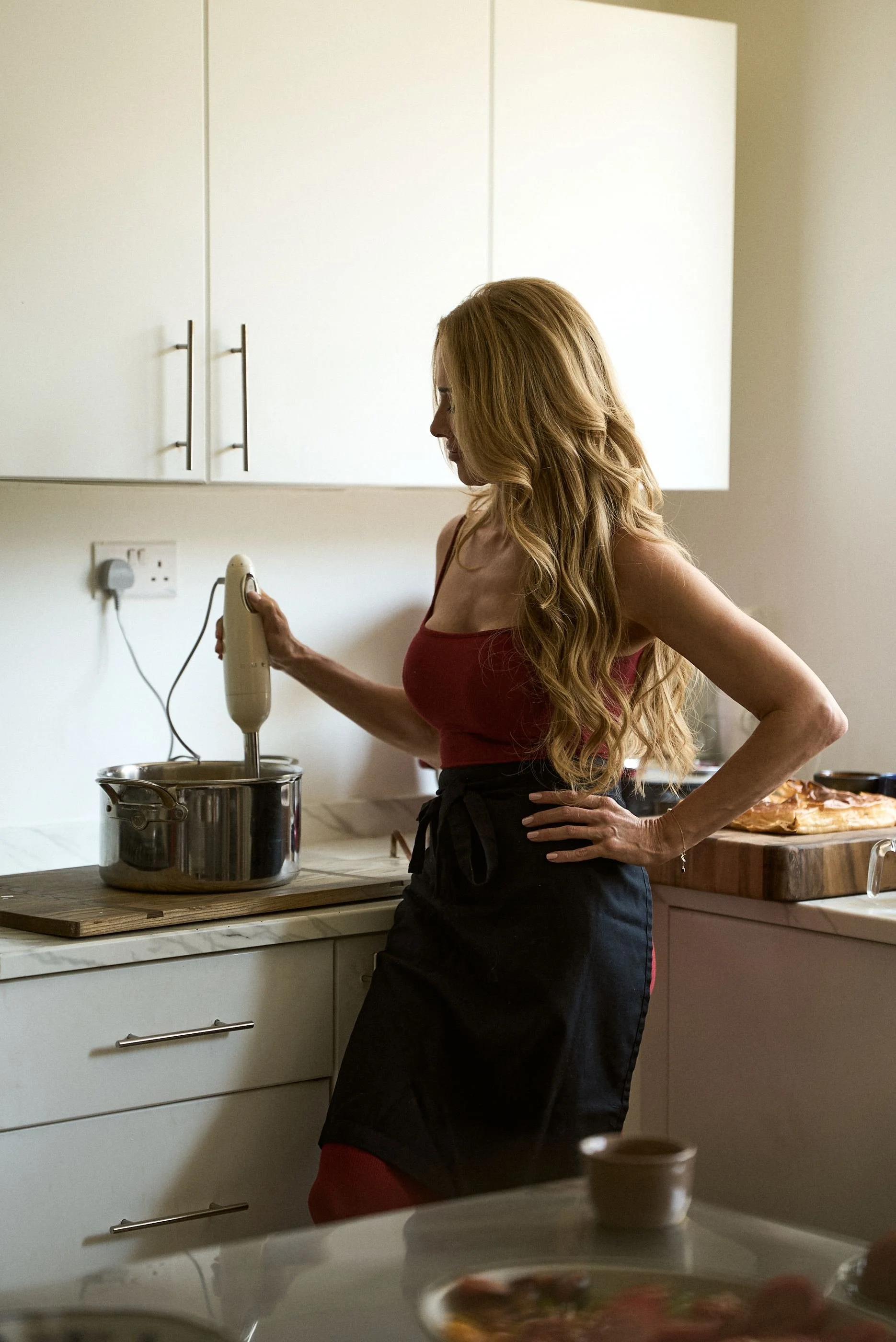
Put the split peas, the roughly chopped red onion and the water into a heavy pot. Bring to a boil, then skim off any foam that rises to the surface.
Reduce the heat and simmer uncovered, stirring often, until the peas have completely broken down and all the water has cooked out. Stir more frequently toward the end, as the fava thickens and can catch on the bottom of the pot. If the water cooks out before the peas are soft, add a splash of hot water and keep going.
At the end of cooking, stir in the lemon juice and take the pot off the heat.
Serve warm or at room temperature