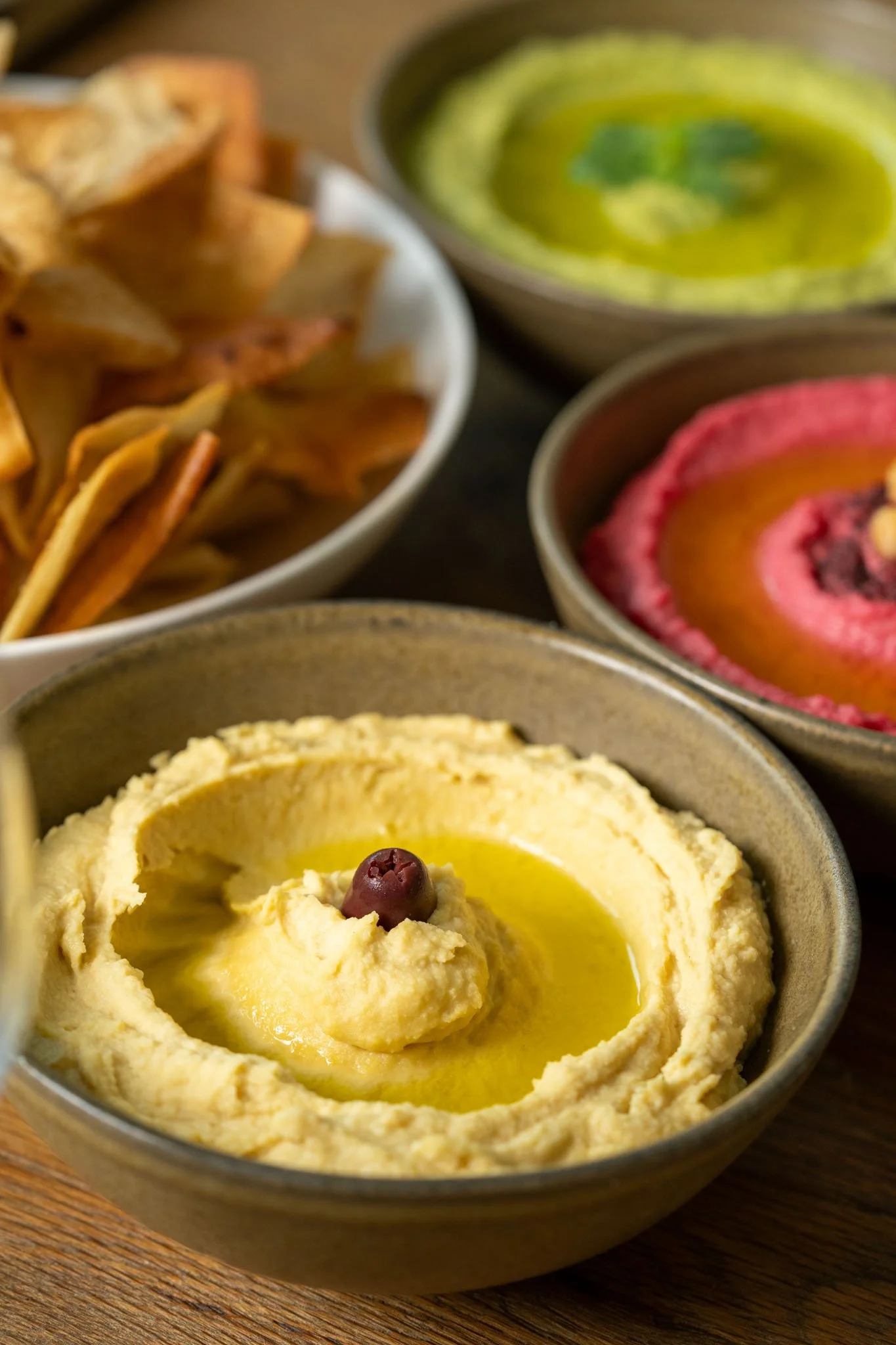
HUMMUS 3 WAYS
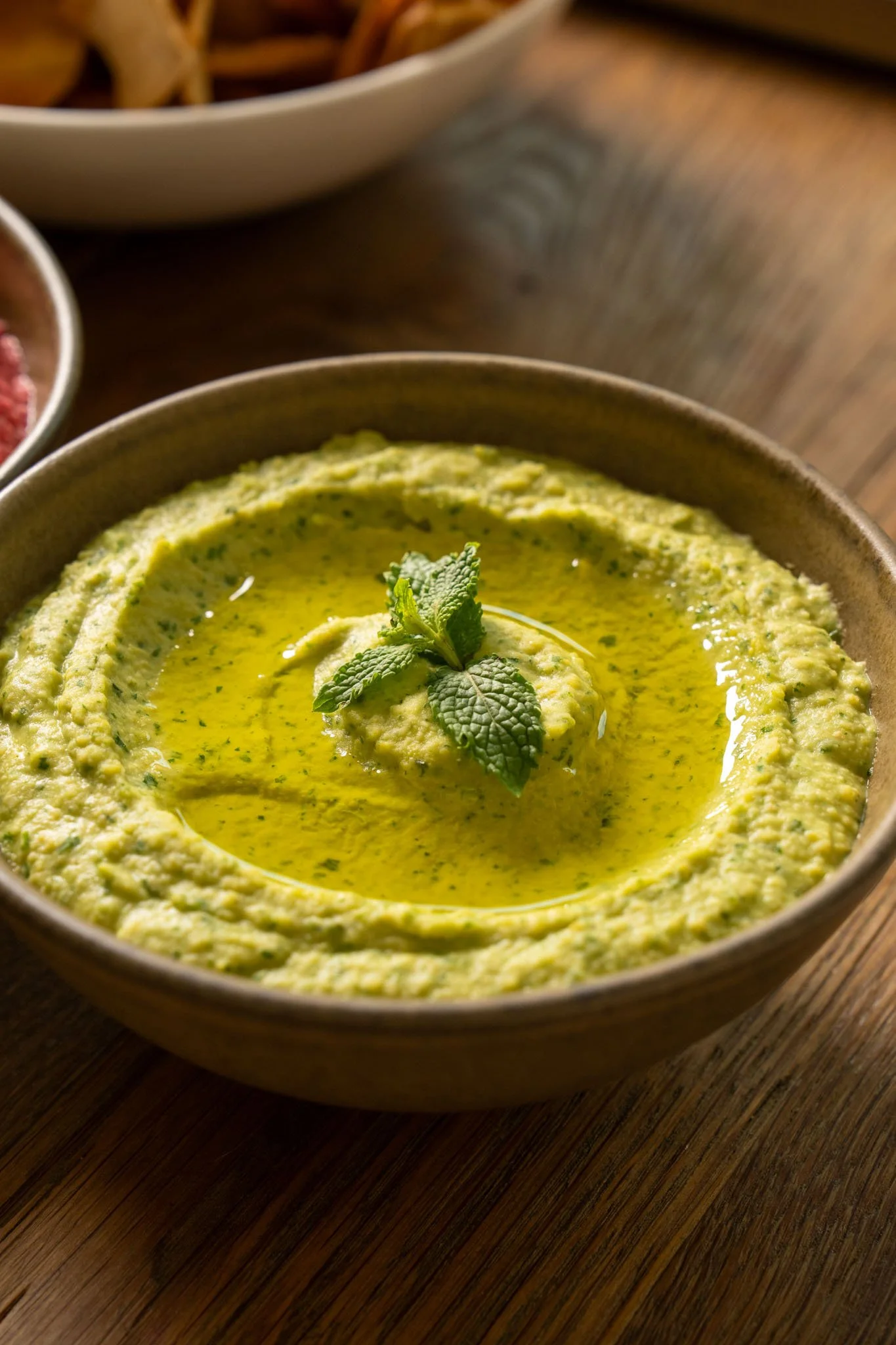
One simple base, three very different dips. Start with a classic, creamy hummus, then turn it vivid pink with roasted beetroot and a tangy hit of sumac (optional, of course), or make it a bright, vibrant green with fresh basil and parsley.
All three use the same method: everything is thrown together and gets blended until smooth. Nothing fiddly, just a few simple steps. Each takes about five minutes once your ingredients are ready (the beetroot needs roasting first, unless you buy it pre-cooked).
Each recipe below has its own full ingredient list, so you can jump straight to the one you want to make.
For extra-smooth hummus and if you have the patience, peel the chickpeas first. Pinch each one gently and the skin slips right off. It takes about 10 minutes for a tin, and you’ll notice that your hummus comes out so much silkier.
And if you're feeding a crowd? Each recipe uses one 400 g tin of chickpeas (or the equivalent in soaked, boiled and drained chickpeas) and doubles easily. Just double every ingredient specified in the recipe.
What to serve it with
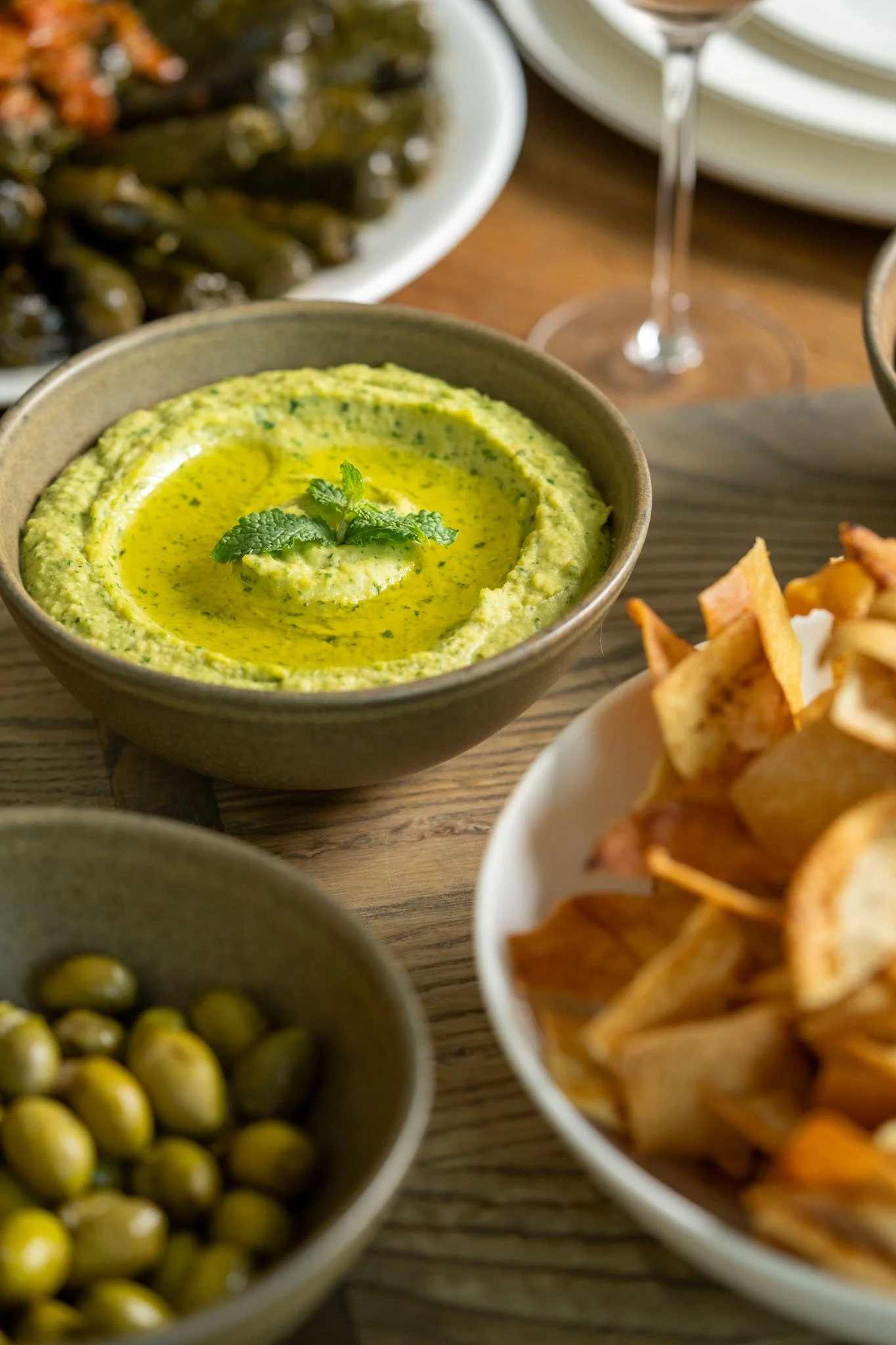
Serve all three together for a colourful sharing platter with warm pita, crackers, cucumber, carrots and radishes. They also make a great spread for wraps and sandwiches, a base for roasted vegetables, and a great creamy side for grilled chicken and kebabs..
*You can find more inspiration from my Lebanese Feast here.
Troubleshooting tips
Grainy or gritty: This usually comes from the chickpea skins or from not blending long enough. Blend for a full 2 to 3 minutes. For extra-smooth hummus, pinch the skins off the chickpeas, or simmer tinned chickpeas with ¼ teaspoon bicarbonate of soda for 15 minutes until very soft.
Too thick or stiff: Add ice-cold water or lemon juice 1 tablespoon at a time while blending. Ice water makes the hummus lighter and fluffier.
Too runny: Add a few more chickpeas or a spoonful of tahini. Hummus also firms up in the fridge.
Bitter: Your tahini may be old or poor quality. Taste it on its own, and choose a smooth, runny one. A little extra lemon and salt helps balance it.
Garlic too harsh: Soak the chopped garlic in the lemon juice for 10 minutes before blending to take the edge off, or use roasted garlic.
Bland: It almost always needs more salt or lemon. Add a little, blend and taste again.
Hand blender struggling: Double the batch so there's enough depth in the jug for the blade to work.
Herbed hummus turned brown: The herbs were over-blended, or the hummus was exposed to air. Blend only until smooth, and press plastic wrap or a thin layer of olive oil onto the surface.
Storage and serving
Keep hummus in an airtight container in the fridge for 4 to 5 days, or 2 to 3 days for the herbed version. A thin layer of olive oil on top stops it drying out.
Serve all three together for a colourful sharing platter with warm pita, crackers, cucumber, carrots and radishes. They also make a great spread for wraps and sandwiches, or a base for roasted vegetables.
Classic hummus
Servings: 4 to 6
Smooth, garlicky and lemony. This is the base the other two are built on. Makes about 2 cups, enough for 4 to 6 as a dip.
INGREDIENTS
- 1 × 400 g tin chickpeas, drained and rinsed (about 240 g) or the equivalent in chickpeas that have been soaked, boiled and drained
- 2½ tablespoons tahini (sesame paste)
- 1 large clove of garlic
- Juice of half a lemon
- ½ teaspoon salt
- 2 teaspoons olive oil, plus more for garnish
- 3 tablespoons ice-cold water
- ¼ teaspoon ground cumin (optional)
METHOD
Put all the ingredients in a food processor or the jug of a hand blender.
Blend for 2 to 3 minutes, scraping down the sides as needed, until very smooth.
If it's too thick or stiff, add a little more lemon juice or water. Taste and add more salt if needed.
Spoon into a bowl, swirl a well into the top and drizzle with olive oil. Finish with a pinch of paprika or sumac, or a few whole chickpeas.
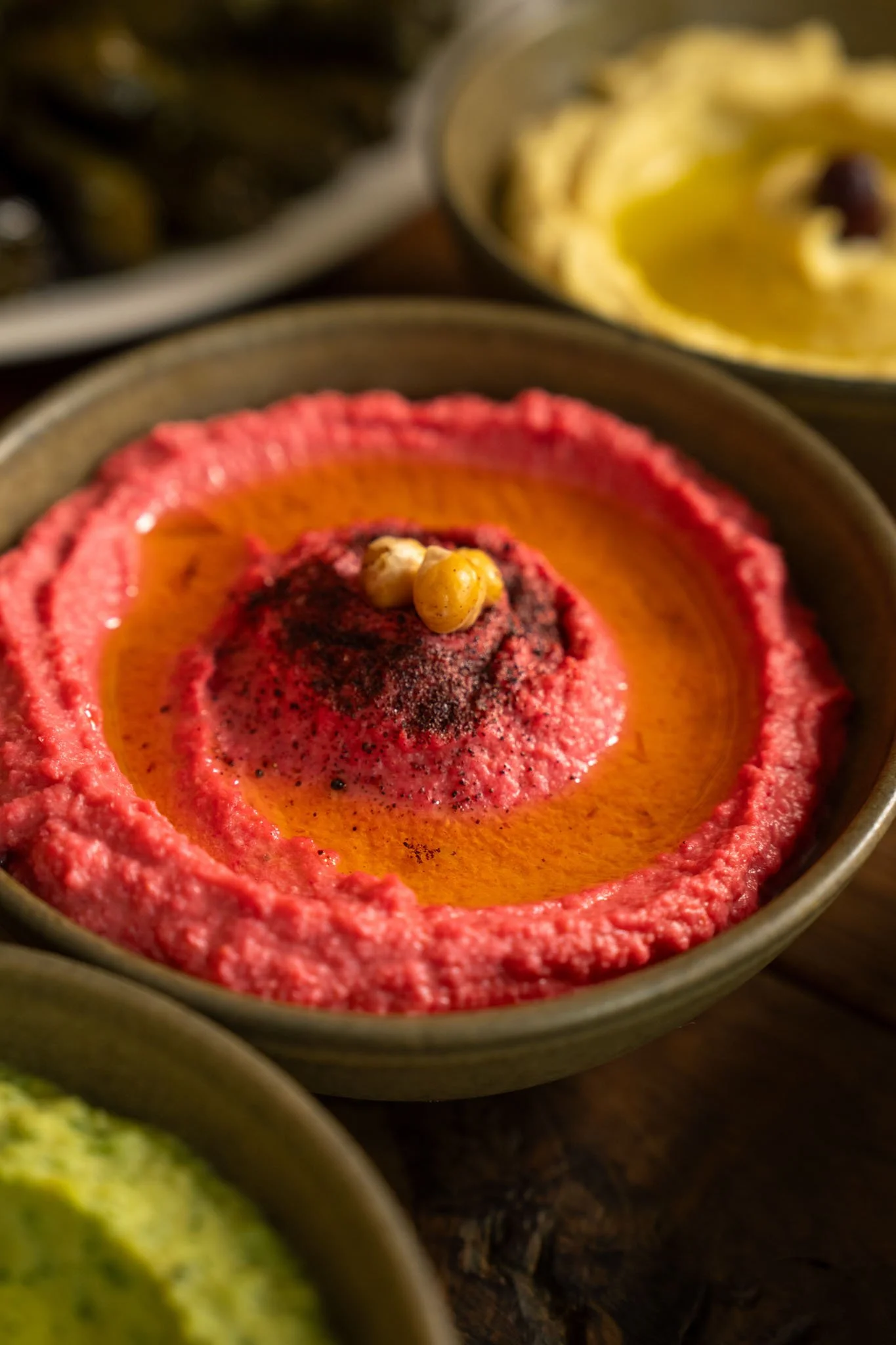
Beetroot hummus with sumac
Servings: 4 to 6
Vivid pink, earthy and slightly sweet. Sumac blended right into the hummus adds a bright, lemony tang that balances the beetroot's sweetness. Makes about 2½ cups, enough for 6 as a dip.
INGREDIENTS
- 1 medium beetroot (about 350 grams), or 1 pre-cooked peeled beetroot
- 1 × 400 g tin chickpeas, drained and rinsed (about 240 g) or the equivalent in chickpeas that have been soaked, boiled and drained
- 2½ tablespoons tahini (sesame paste)
- 1 large clove of garlic
- Juice of half a lemon
- ½ teaspoon salt
- 2 teaspoons olive oil, plus more for garnish
- 1 teaspoon sumac, plus more for garnish (optional)
METHOD
If using raw beetroot, scrub it, wrap it tightly in foil and roast at 200°C until a knife slides in easily, about 45 to 60 minutes.
Once it's cool enough to handle, rub off the skin with a paper towel (wear gloves if you don't want pink hands). Chop it roughly and let it cool to room temperature.
Put the beetroot and all the other ingredients in a food processor or the jug of a hand blender. Blend until very smooth.
If it's too thick, add a little more lemon juice or water. Taste and add more salt, lemon or sumac to balance the sweetness.
Drizzle with olive oil and finish with a good pinch of sumac. Crumbled feta, fresh dill or toasted walnuts are lovely on top too.
Tip: Skip pickled beetroot, which makes the hummus too vinegary. Vacuum-packed cooked beetroot works well and saves the roasting time.
Herbed Hummus with Basil, Parsley, and Mint
Servings: 4 to 6
Fresh, green and fragrant. The extra olive oil carries the herb flavour, and ice-cold water keeps the herbs cool as they blend so they stay bright. Makes about 2 cups, enough for 4 to 6 as a dip.
INGREDIENTS
- 1 × 400 g tin chickpeas, drained and rinsed (about 240 g) or the equivalent in chickpeas that have been soaked, boiled and drained
- 2½ tablespoons tahini (sesame paste)
- 1 large clove of garlic
- Juice of half a lemon
- ½ teaspoon salt
- 1 tablespoon olive oil, plus more for garnish
- 1 cup fresh basil leaves, loosely packed
- 1/2 cup fresh parsley, leaves and tender stems
- 4 to 6 fresh mint leaves
- 2 tablespoons ice-cold water
METHOD
Put all the ingredients in a food processor or the jug of a hand blender.
Blend for 2 to 3 minutes until very smooth and evenly green.
If it's too thick or stiff, add a little more lemon juice or water. Taste and add more salt if needed.
Drizzle with olive oil and top with a few torn basil leaves.
Tip: Go easy on the mint. A small few leaves adds freshness, but too much will drown out the basil. This one is best eaten the same day, while the colour is brightest.