
A Lebanese Feast Built for Abundance
There's a philosophy behind every Lebanese table, and trust me, it has nothing to do with tiny, individual portions. Every dish lands in the middle with abundance, on generous platters that are meant to be shared, passed, refilled and repeated. It's a way of eating that assumes generosity before it assumes anything else — the food is generously offered, again and again, for as long as the table is full. After being married into a Lebanese family for decades, I'm certainly no stranger to this philosophy of abundance. In fact, I think it's one of the many reasons why I fell so deeply in love with my husband in the first place.
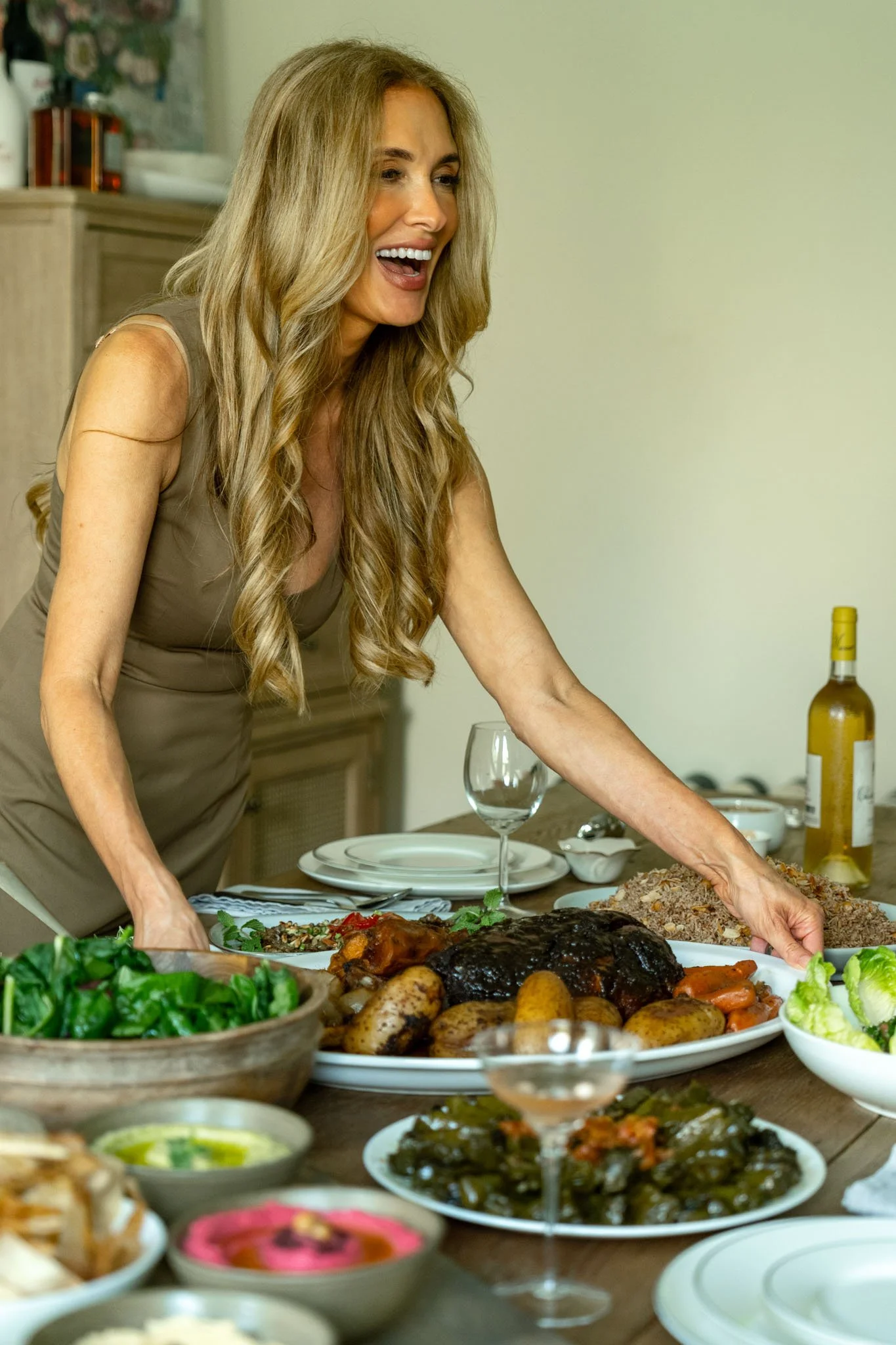
This particular table came together one afternoon when my son’s friends gathered at ours before he headed back to university. It was exactly the right occasion for it—a send-off filled with good food, familiar faces, and the kind of unfiltered banter that makes you wish everyone could stay just a little longer.
The Feast
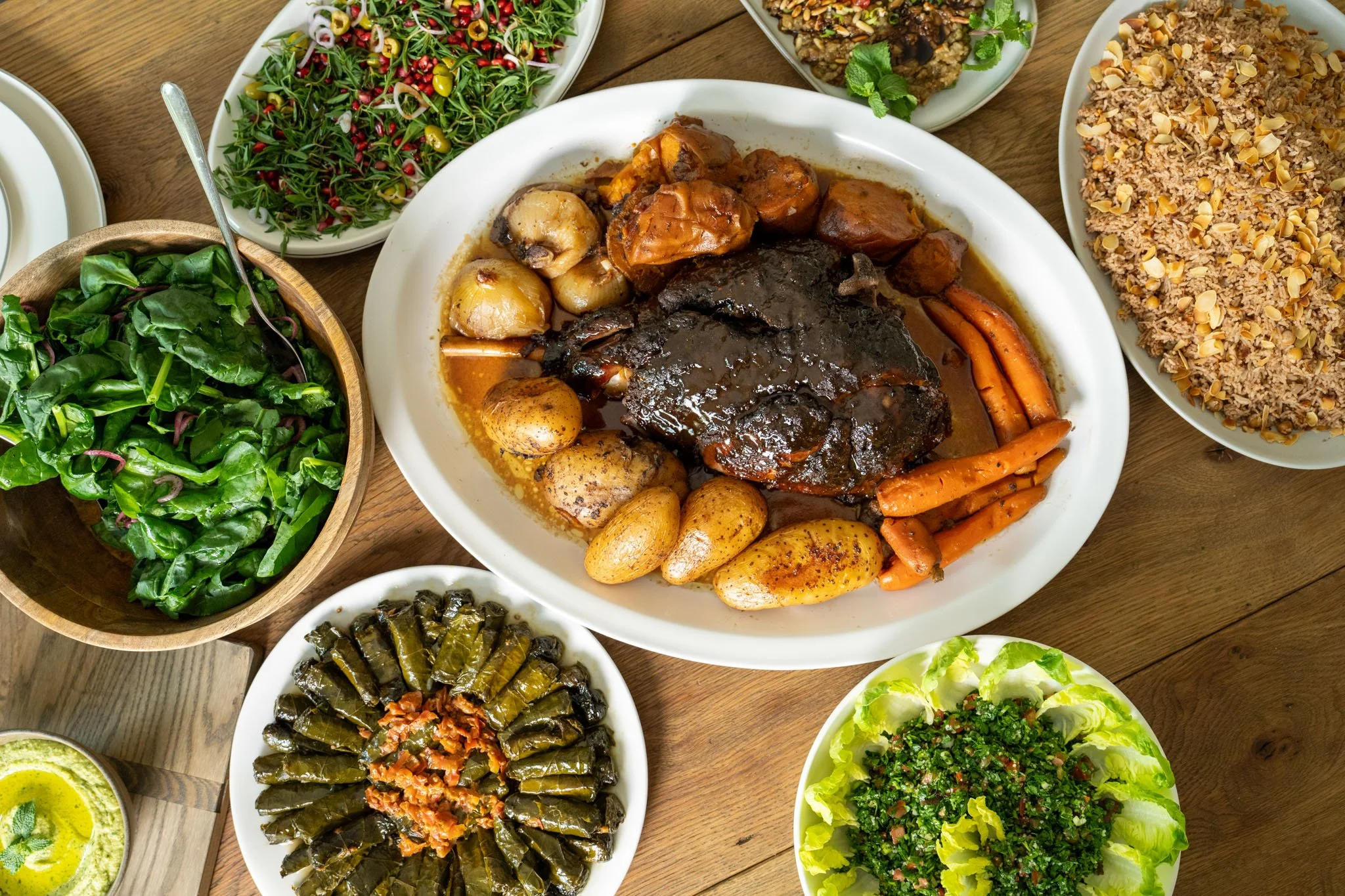
Like so many of my tables, I typically serve at least one anchor dish—sometimes two or three, depending on the work involved. This time, it was my leg of lamb. And since this dish is pretty colossal on its own, it was the one centrepiece I needed, with all the supporting dishes built around it. And as any Lebanese person will tell you, the number of vegetarian dishes on a table like this is often too many to count, and on this one, I had many.
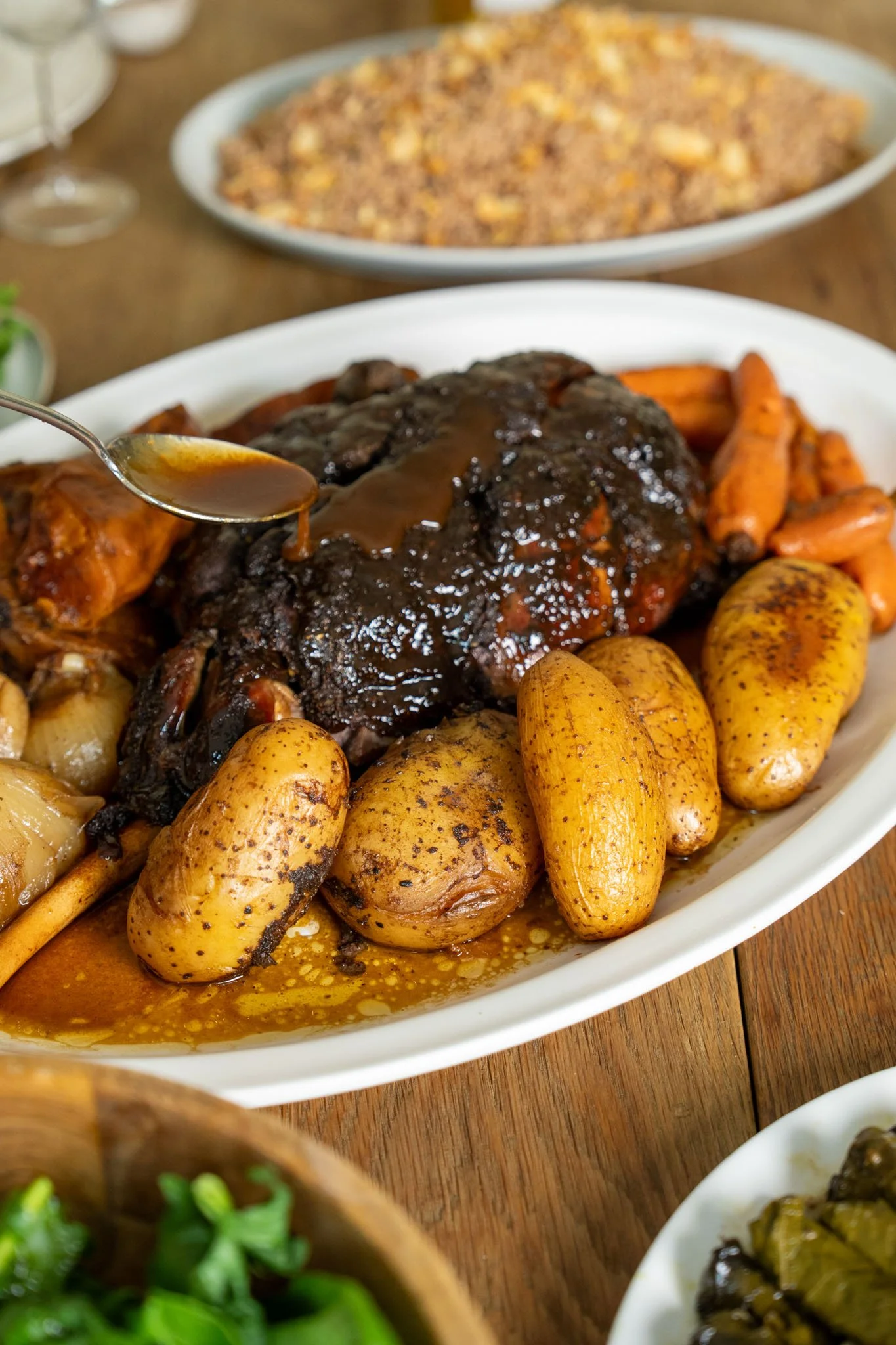
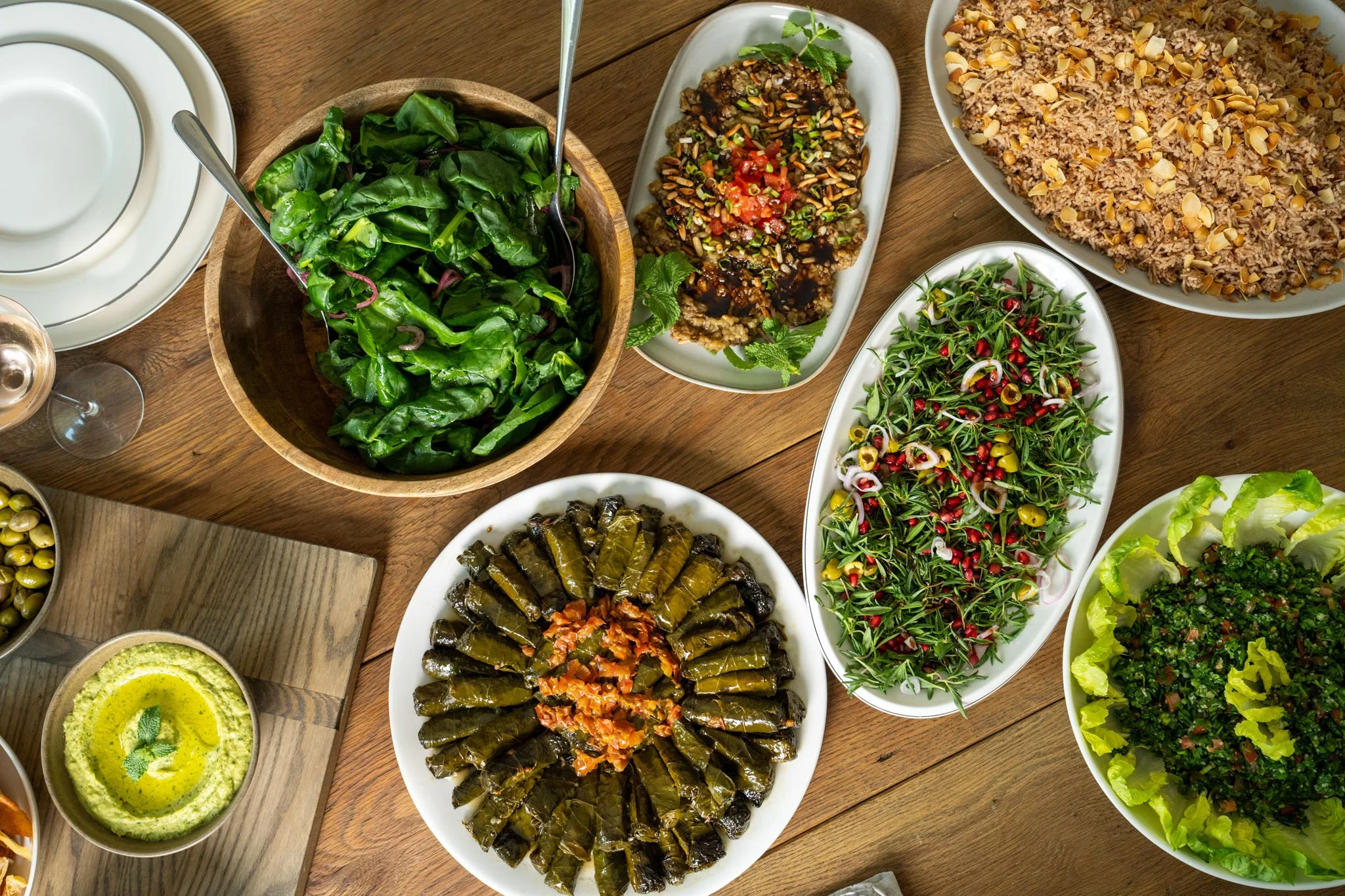
Leg of Lamb with Root Vegetables, slow-roasted until it fell apart at the touch of a fork. It was the centerpiece of the table — anchoring everything else on the table around it. The root vegetables soak the juices of the lamb and its simmering liquid. They’re rich, tender, and filled with deep flavor.
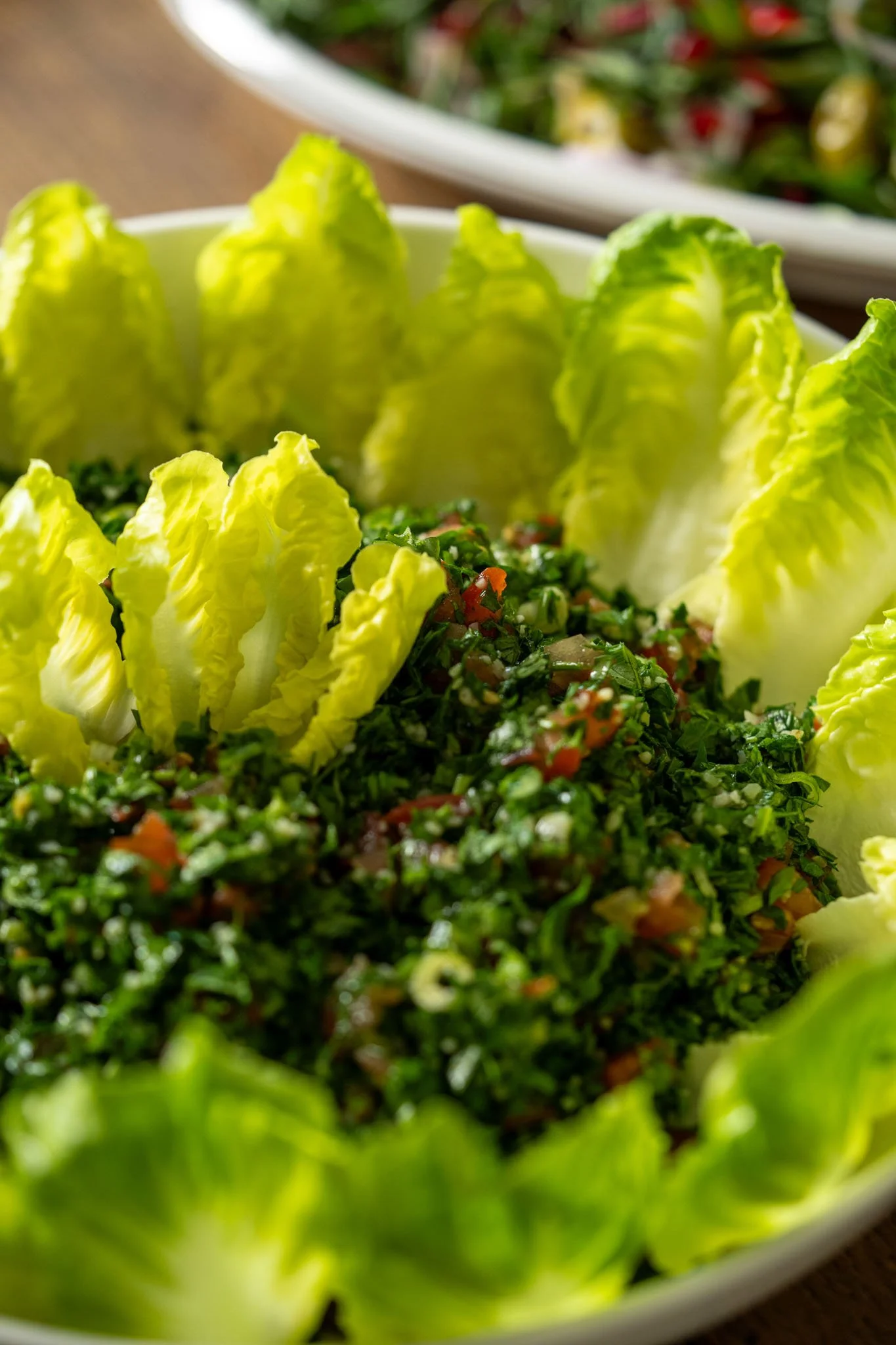
Tabbouleh, piled high, with enough baby gem lettuce leaves alongside it to scoop up every last bit of the parsley-forward salad.
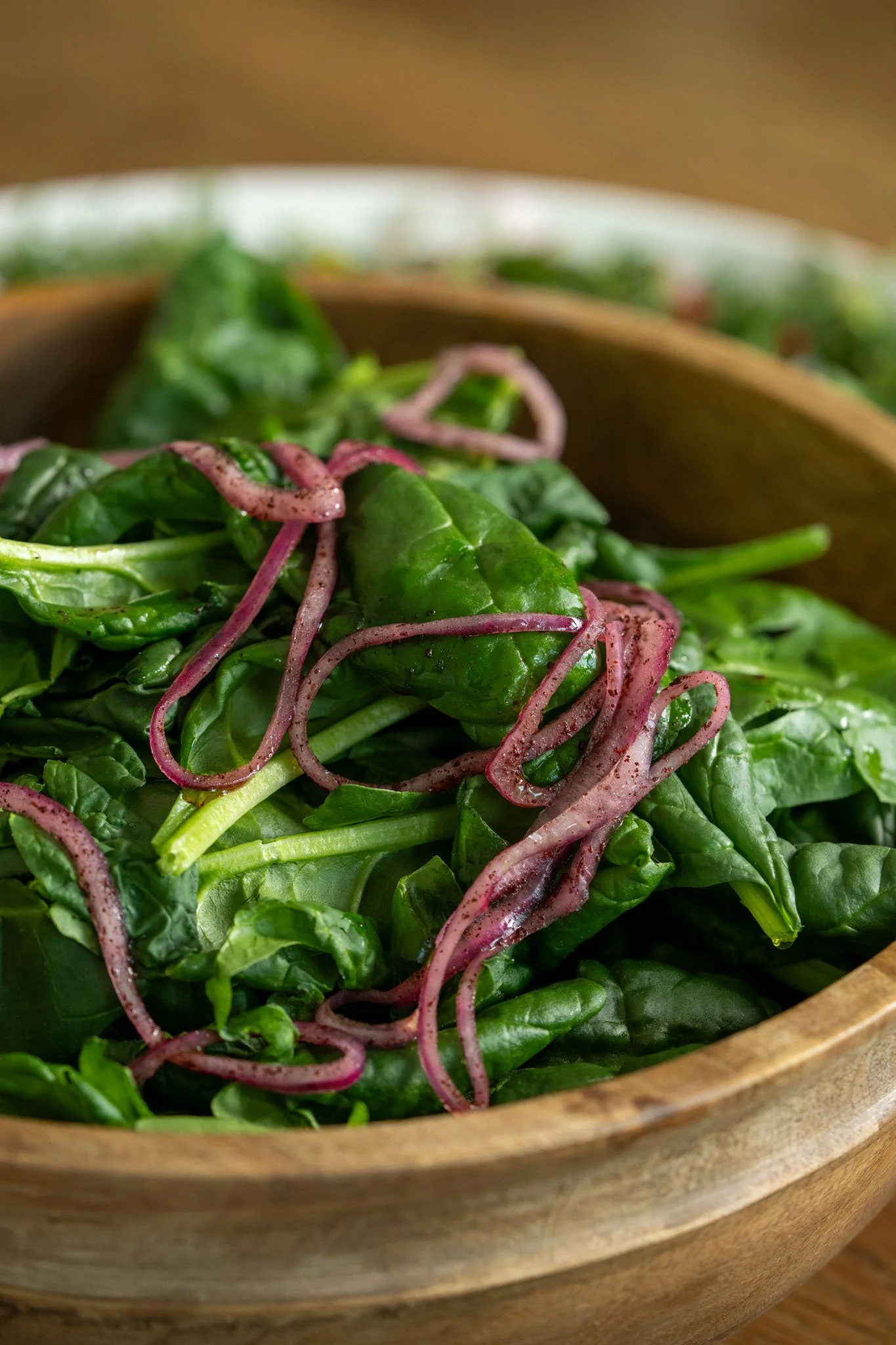
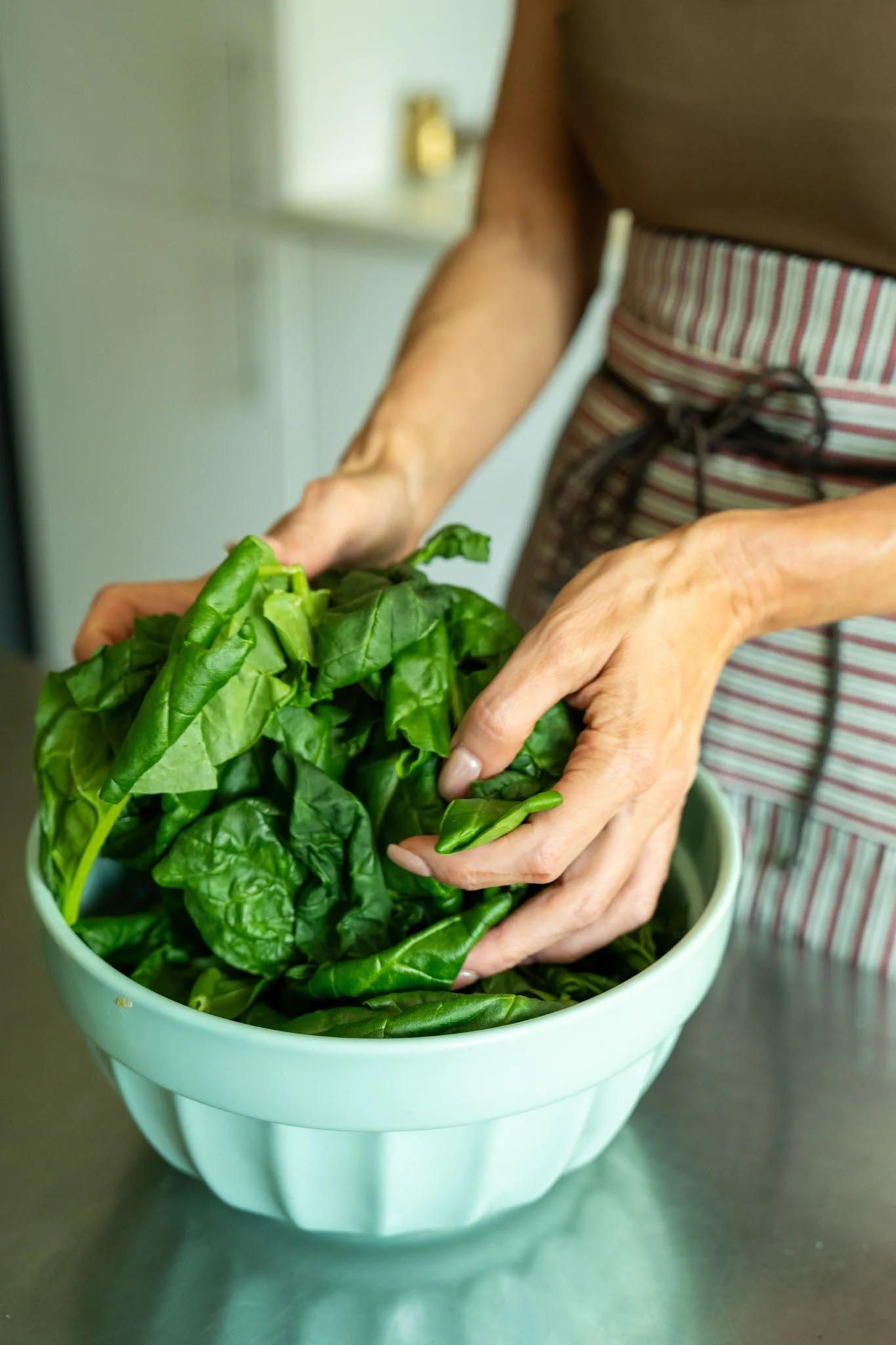
Spinach Salad with sumac dressed onions. As the name suggests, this salad is loaded with thinly sliced onions, slathered in sumac, and tossed generously with a simple lemon and olive oil vinaigrette.
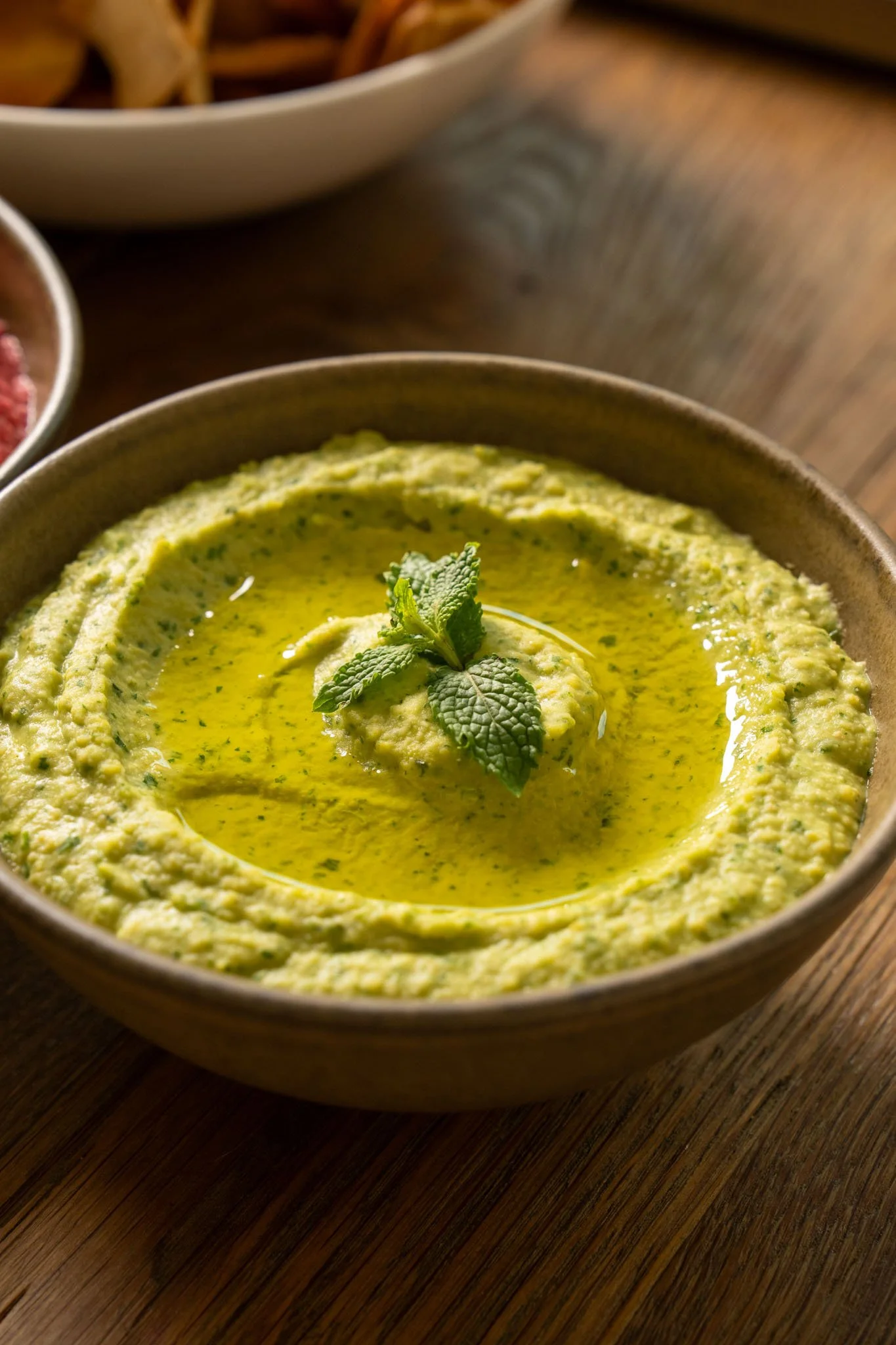
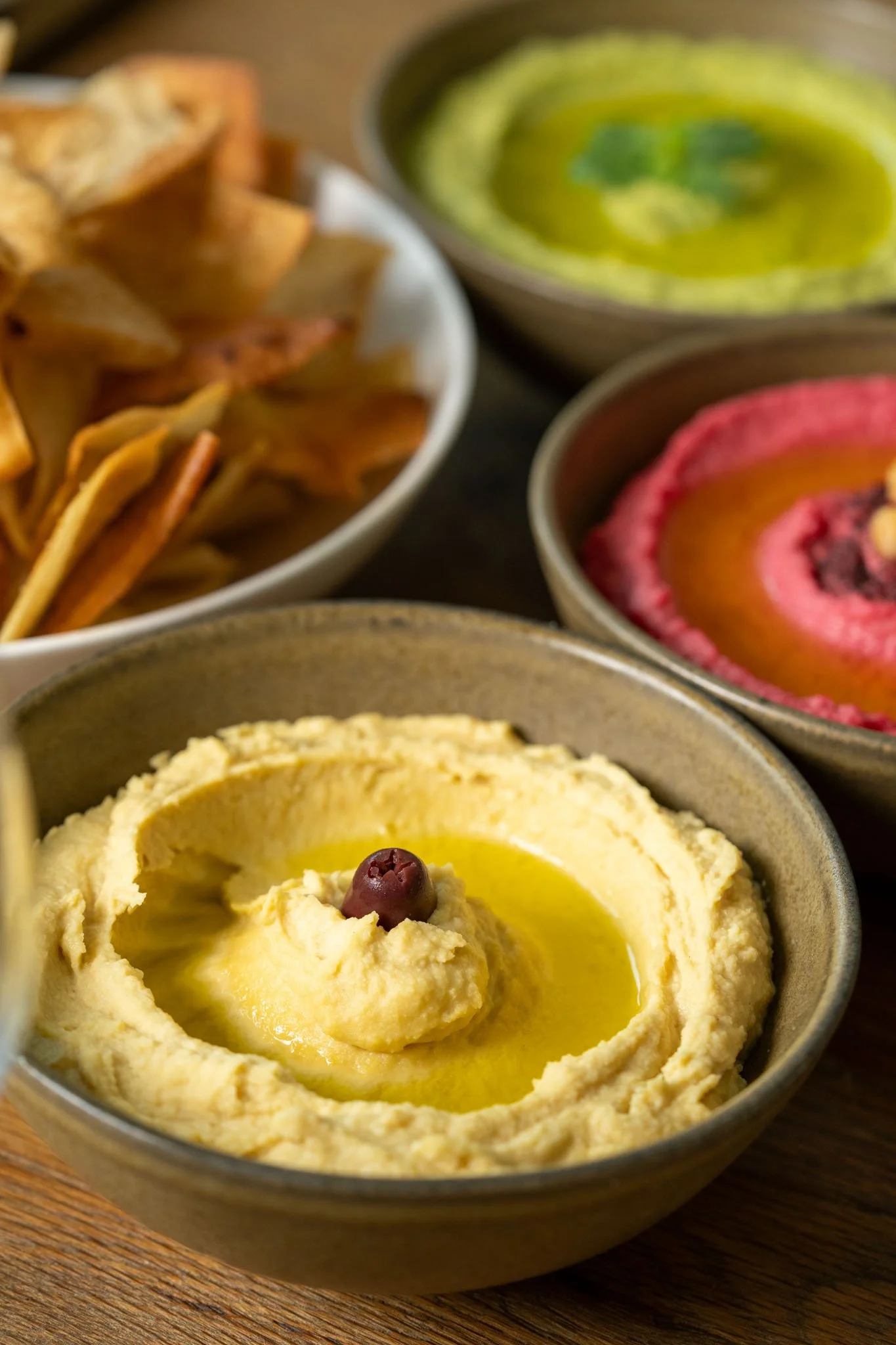
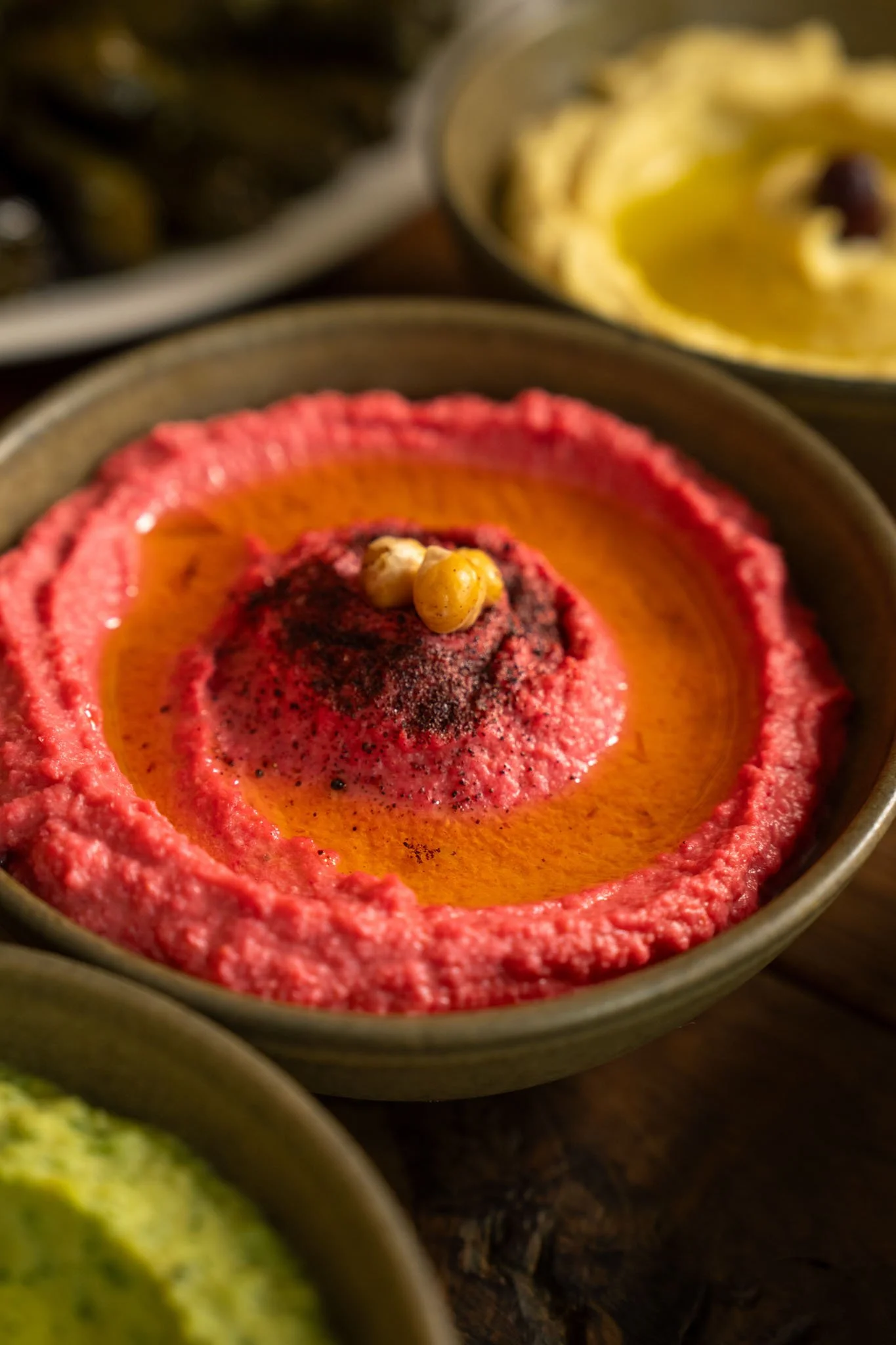
Hummus, Three Ways, one classic, one herbed, one beetroot. The latter two aren't remotely traditional ( I'll be the first to admit that!), but they earn their place for the extra pop of color on the table, and flavor combinations play beautifully off the more classic dishes around them.
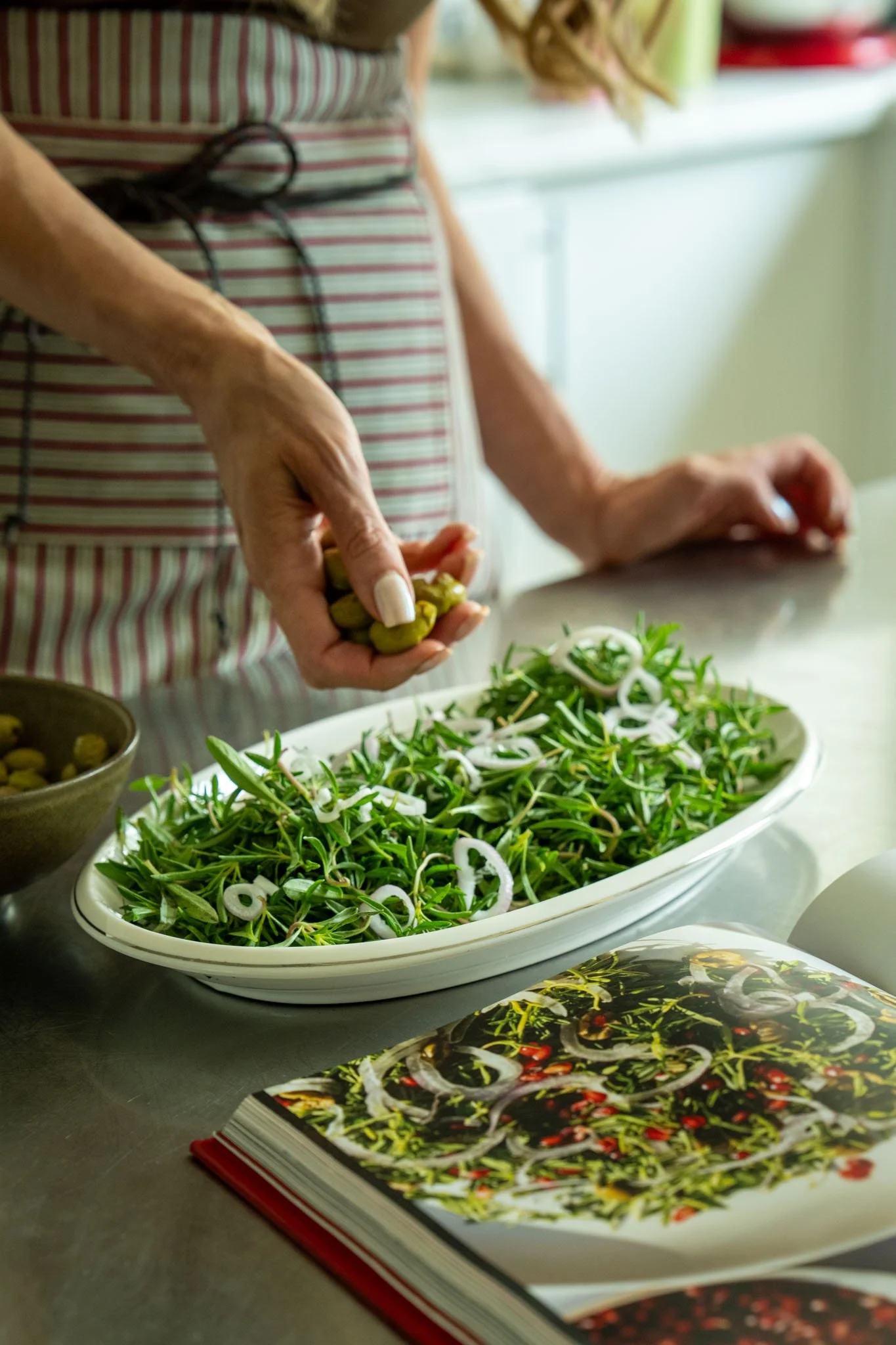
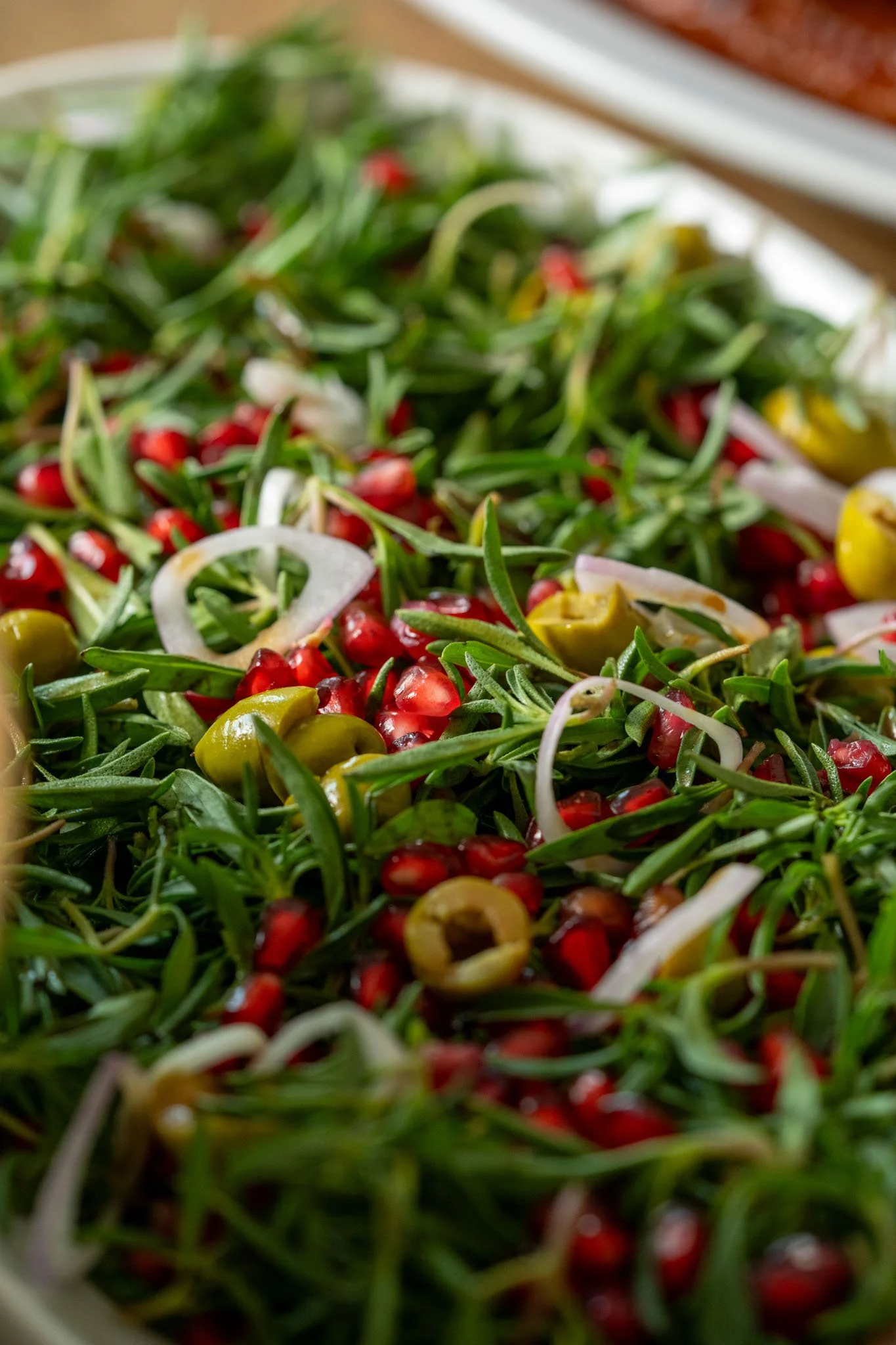
Wild Thyme and Pomegranate Salad, bright and slightly tart, with the pomegranate seeds adding little bursts of sweetness against the herbs. It’s also peppered with Lebanese green olives which creates such a lovely contrast of flavor and texture. It’s a salad that’s simple and exciting at the same time!
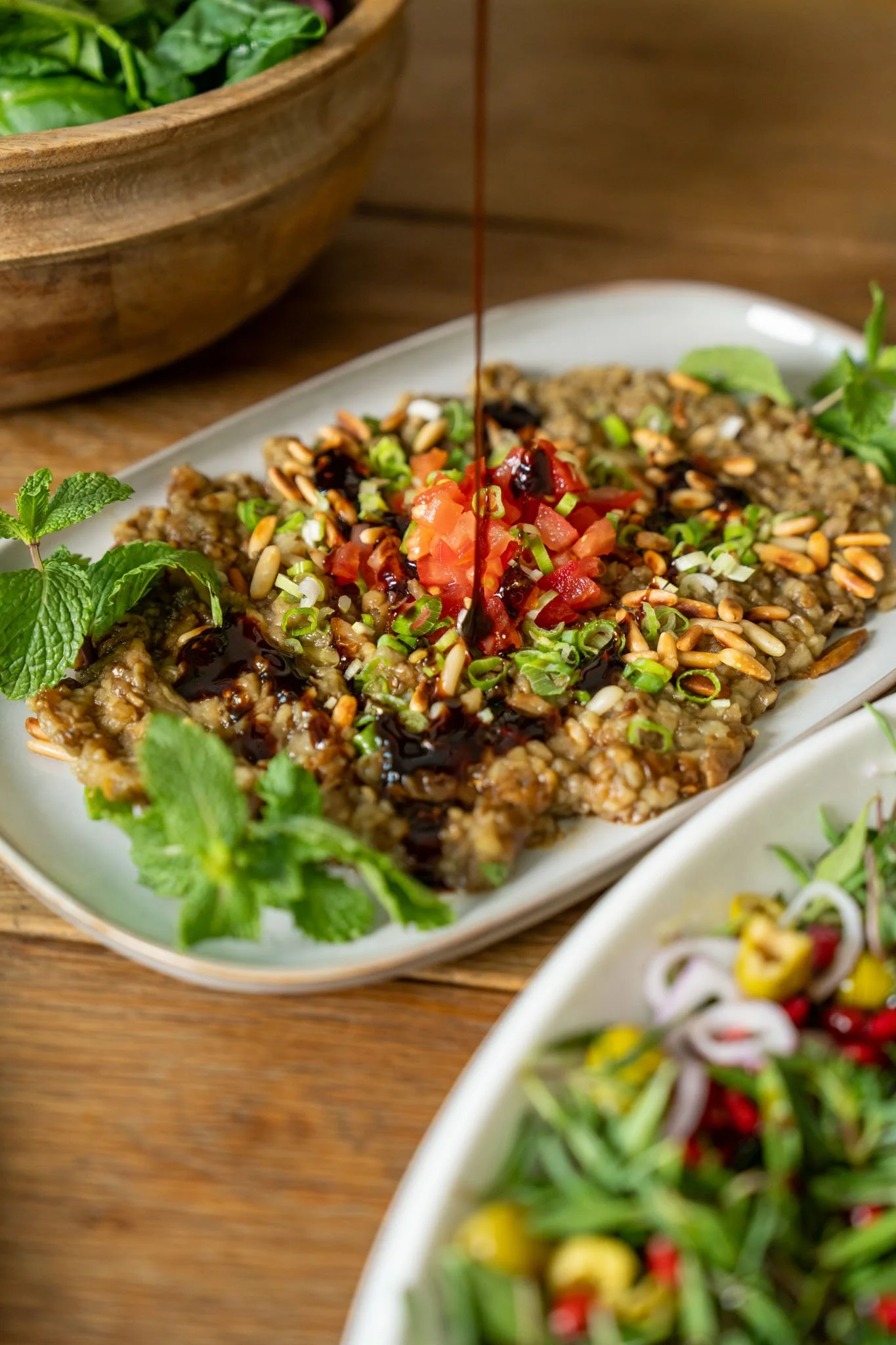
Charred Eggplant with Pomegranate, smoky from the char, the pomegranate cutting through the richness with the same sweet-tart lift. Toasted pine-nuts add richness, and chopped fresh tomatoes are the perfect compliment to the meaty flesh. So good and so versatile. And quite frankly it can be served with just about everything. Slather it on a chunky piece of crusty bread. and you’ve won my heart.
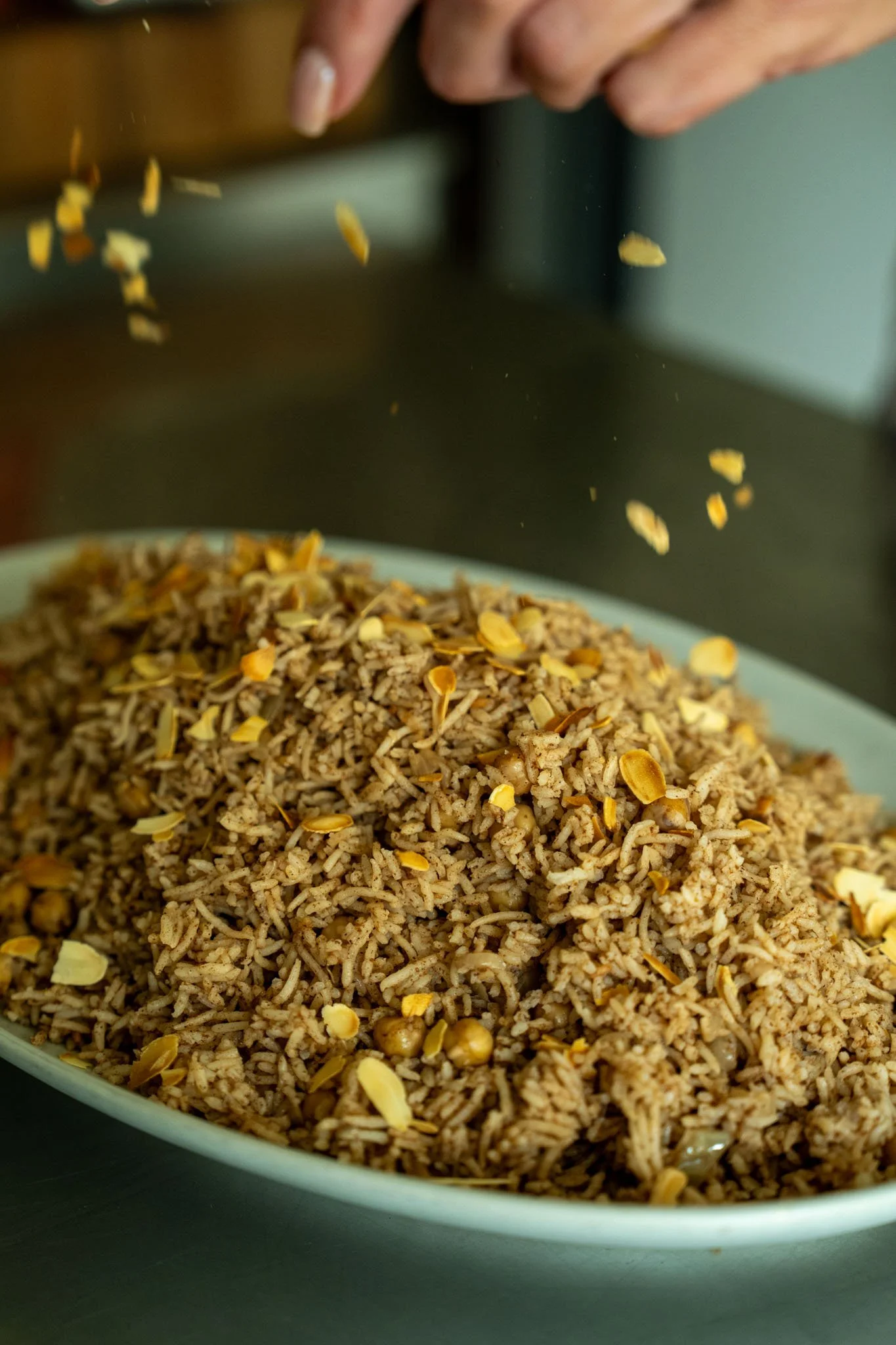
Cinnamon-Spiced Arabian Rice, warm and fragrant, the kind of side that quietly ties the whole table together.
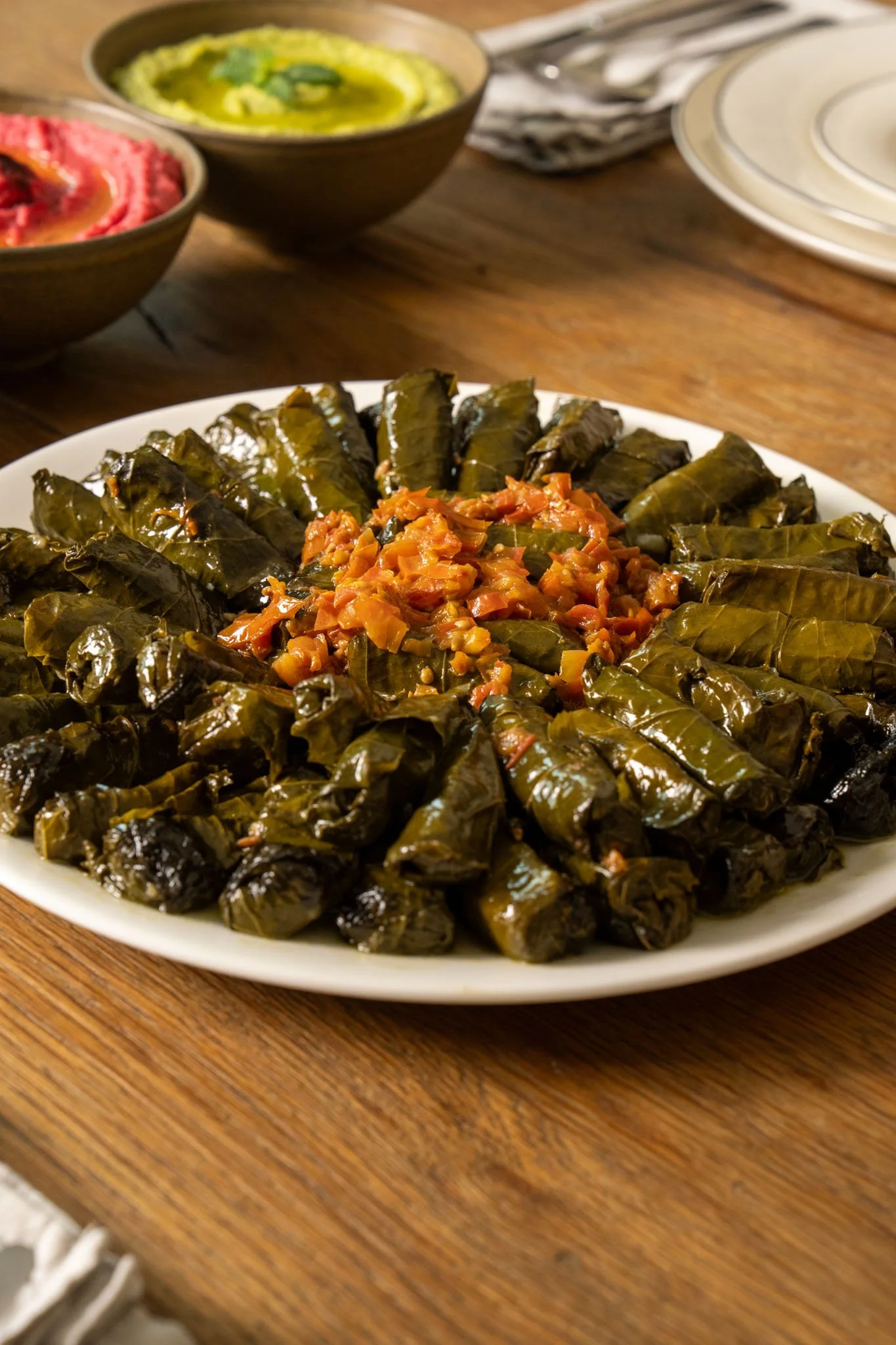
Warak Anab (Stuffed Vine Leaves), tightly rolled and packed with rice and herbs, a little tangy from the lemon, these are the perfect companion to every dish on the table. It’s the kind of dish that requires time and patience, but worth making in advance
Setting the Table
The table itself was set simply — large platters, everything portioned out with abundance rather than precision. There's nothing fiddly about a Lebanese table. It works equally as well as a filling family lunch as it can anchor a massive evening gathering.
Where to find the recipes
The leg of lamb, the wild thyme and pomegranate salad, and the cinnamon-spiced Arabian rice are all recipes from my book - DEVOUR: Recipes For An Insatiable Appetite. Find the recipes for the hummus, spinach salad, and the smokey eggplant salad in the links above. I’ll be posting a tutorial on the stuffed vine leaves and tabbouleh soon, but in the meantime, enjoy the feast. Sahtein!